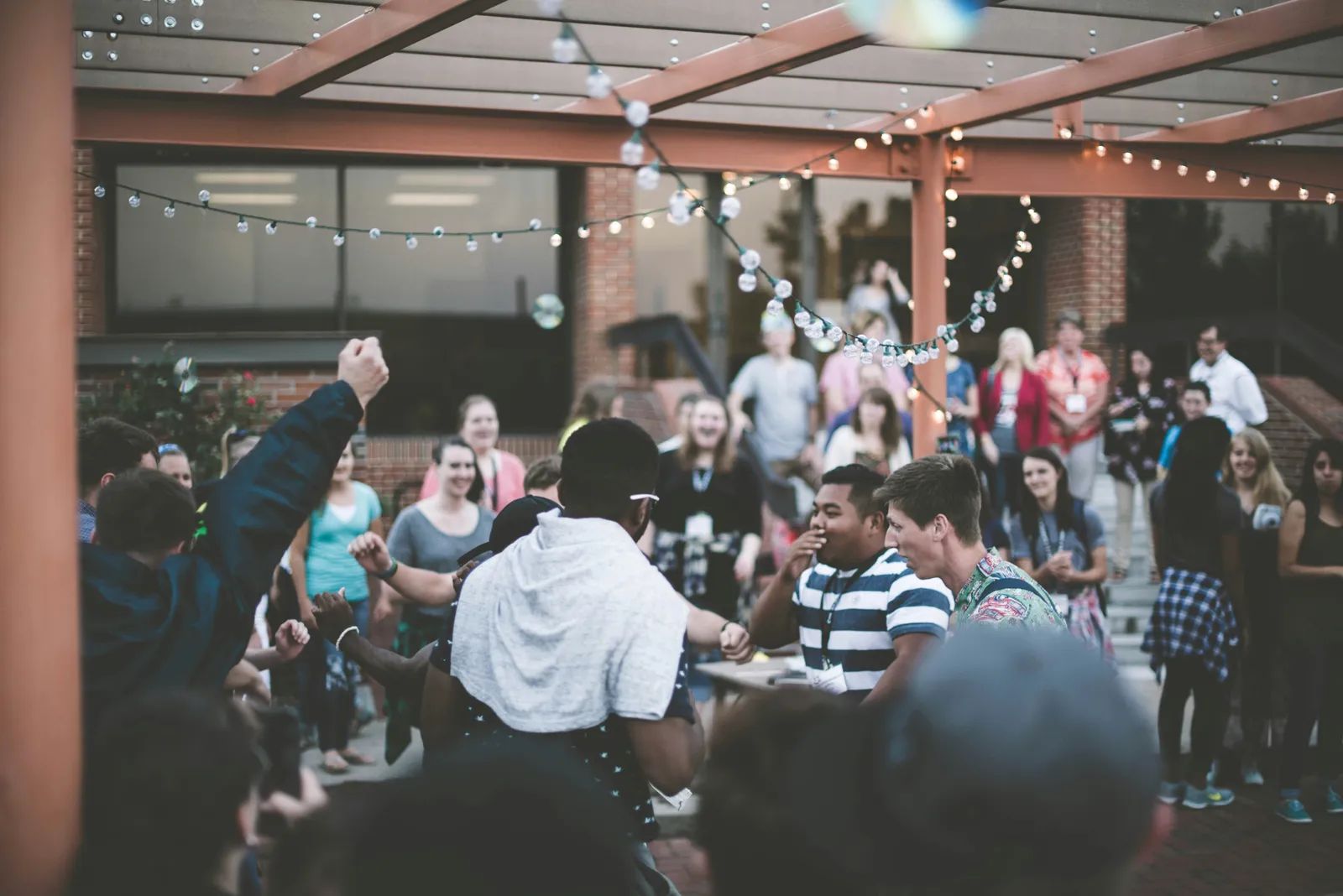
Denver residents are increasingly skipping crowded bars in favor of front porches, trailheads, and outdoor food events when making new connections. High rents, widespread remote work, and fatigue with noisy venues have quietly reshaped how people socialize in the city. The shift favors shared activities that spark conversation naturally rather than forced small talk over drinks. ([1])
Front Porches Host Live Music and Casual Meetups
Neighborhood porches now serve as stages for local bands during events like Porchfest in the Baker area. Residents walk between homes, greeting neighbors without tickets or reservations. The format keeps the focus on community and easy movement from one performance to the next.
Comfortable shoes and a folding chair help visitors settle in for an evening. Planning a route that mixes familiar acts with new ones adds variety. These gatherings turn ordinary streets into social hubs where conversations start over shared appreciation for the music.
Food Trucks Draw Crowds for Outdoor Meals
Long communal tables at food truck festivals create relaxed settings for strangers to connect over shared plates. Events such as the Denver International Festival feature dozens of vendors, giving everyone a simple topic for discussion. The founder of one such gathering began sharing his culture through food as a teenager, using meals as a bridge to new friendships.
Layered clothing prepares attendees for cooler Colorado evenings. Arriving with one companion and splitting orders lowers the barrier to trying multiple dishes. Asking the person in line behind you for recommendations often leads to quick exchanges that feel genuine.
Outdoor Runs and Climbs Build Connections Through Activity
Weekly group runs and trail meetups have become regular social fixtures, especially with fall colors drawing people outside. Conversation flows more easily when walkers or runners move side by side instead of facing each other across a table. Newcomers receive quick welcomes from regulars, and many groups extend the outing with coffee afterward.
Climbing gyms offer another low-pressure option where participants naturally assist one another on routes. Bouldering sessions include built-in downtime that encourages chatting about techniques or holds. First-time visitors benefit from renting gear and joining an introductory class on a quieter weeknight.
Game Nights and Mission-Driven Spots Add Purpose
Venues that combine drinks with games, such as ping-pong tables at Ace Eat Serve, give hands something to do while talk flows. The return of these spaces shows nightlife evolving rather than disappearing. Early arrival helps secure a table and opens doors to doubles matches with nearby groups.
Taprooms with inclusive hiring practices, like Brewability, attract visitors who value the story behind the business. Staff often become familiar faces over repeat visits. Asking about the mission behind a place frequently opens conversations that feel meaningful from the start.
Small Shops and Galleries Reward Repeat Visits
Corner stores and maker spaces function as neighborhood anchors where owners remember names and host occasional workshops. Repeat trips turn these spots into reliable places to run into familiar people. Gallery openings provide free entry and a ready subject for discussion about the work on display.
Local media calendars highlight these lower-profile events that rarely appear on larger platforms. Habits such as returning to the same shop or saying yes to a small invitation help build familiarity faster than one-off nights out. The pattern across these locations remains consistent: shared activity creates space for connection without the pressure of traditional nightlife.